
Quick Answer
Handmade terracotta pots offer unique character, thicker walls (10-15mm), and superior breathability, but cost 40-60% more and have slight variations. Machine-made pots deliver perfect consistency, sharper details, and lower prices, with walls of 6-8mm. Both can last 20+ years if made from quality clay and fired above 1000°C. Your choice depends on whether you value artisan uniqueness or scale and uniformity.
Table of Contents
Introduction: Why the Method Matters
Walk through any garden center and you'll see terracotta pots that look nearly identical sitting next to ones that clearly came from an artisan's hands. Most buyers don't realize these two pots were made in fundamentally different ways — and that difference affects everything from price to how long they'll survive a freeze.
At Terrachi Clay, we've been manufacturing both handmade and machine-made terracotta pots since 2004. Our 50,000+ square foot facility on the banks of the Indus River processes clay from the same source for both methods. We fire everything above 1000°C. We test every batch for water absorption below 6% and frost resistance to -22°F. So when we talk about the differences between these two methods, we're not guessing — we're speaking from two decades of watching both leave our kilns and perform in gardens from California to Norway.
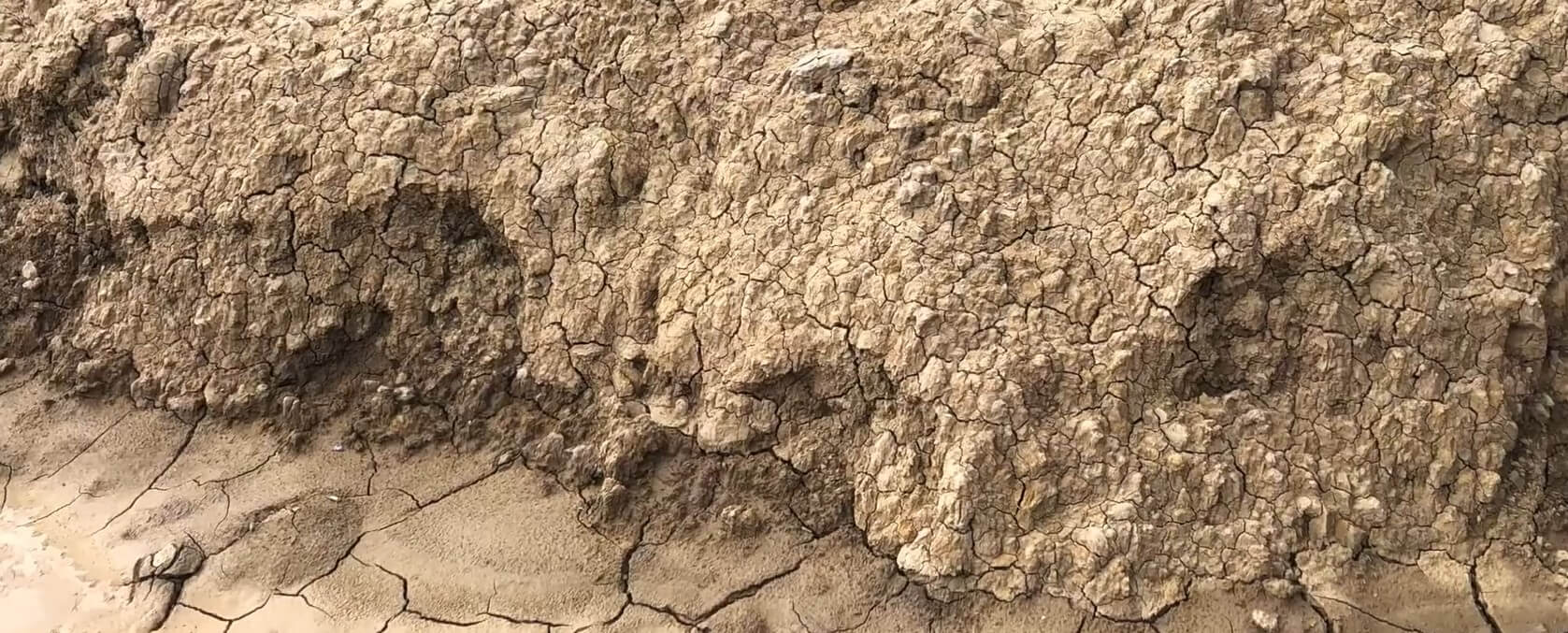
This guide isn't about declaring one method "better." It's about understanding what each method does well, where each falls short, and how to choose based on what you're actually trying to accomplish. A landscape architect ordering 5,000 pots for a commercial development needs something very different from a boutique nursery looking for statement pieces. Both can find what they need in terracotta — but they need to know what to ask for.
Key Benefits at a Glance
| Factor | Handmade Pots | Machine-Made Pots |
|---|---|---|
| Unique Character | Every piece is one-of-a-kind | Perfect uniformity across batches |
| Wall Thickness | 10-15mm (better insulation) | 6-8mm (lighter weight) |
| Production Rate | 15-25 pieces/artisan/day | 200+ pieces/hour/machine |
| Price Range | 40-60% higher | Standard market pricing |
| Detail Sharpness | Soft, organic edges | Crisp, precise patterns |
| Best For | Boutique retail, specialty gardens | Large projects, commercial landscaping |
How Each Method Works
Handmade Terracotta Production
Handmade terracotta pots start with a lump of clay and a pair of hands. At our facility, artisans wedge the clay to remove air bubbles, then center it on a spinning wheel. The throwing process takes 5-15 minutes per piece depending on size — a 4-inch pot might take 5 minutes, while a 24-inch planter requires careful wall building over 15 minutes to prevent collapse.
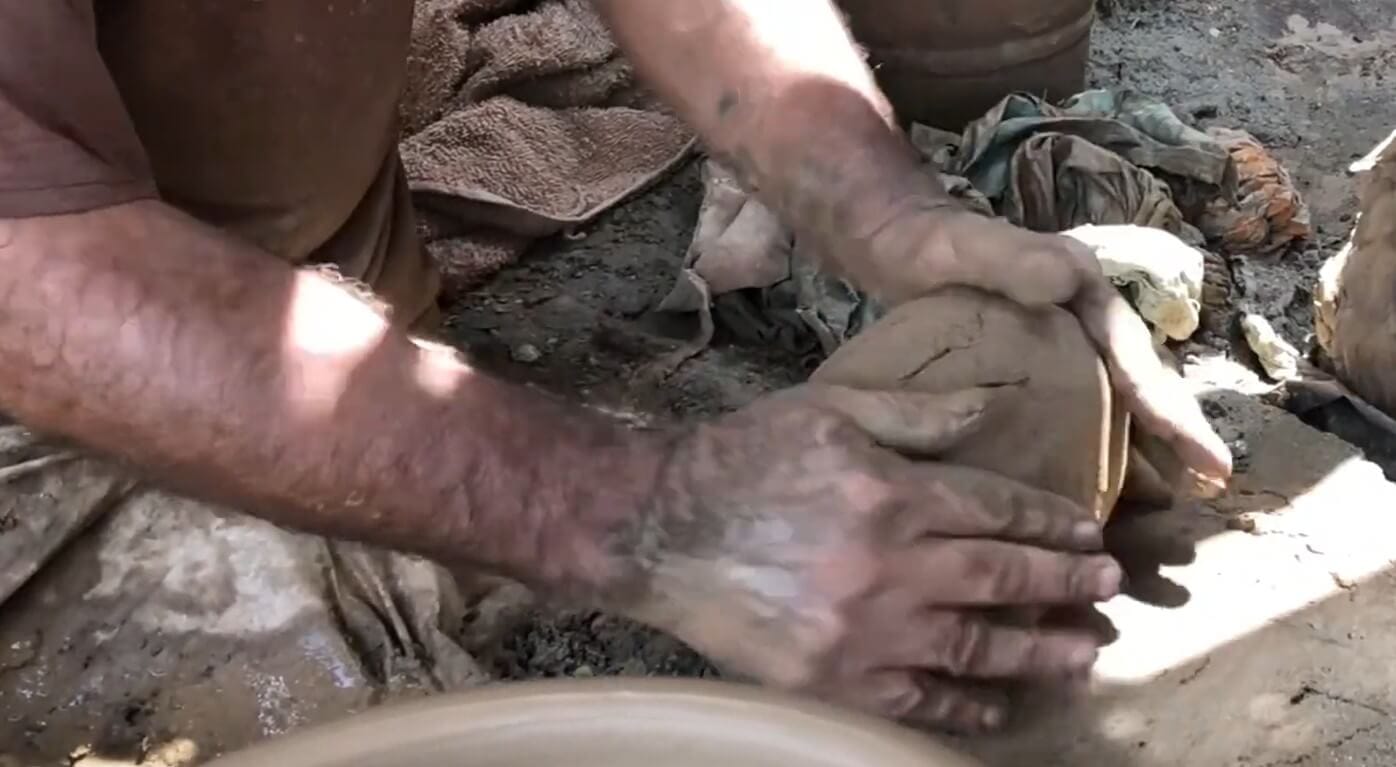
After throwing, each pot sits in open air for 24-48 hours to reach leather-hard stage. Artisans then trim the foot, refine the rim, and smooth the surface. The piece dries for another 3-5 days before entering the kiln. Total production time from clay to finished pot: 7-10 days.
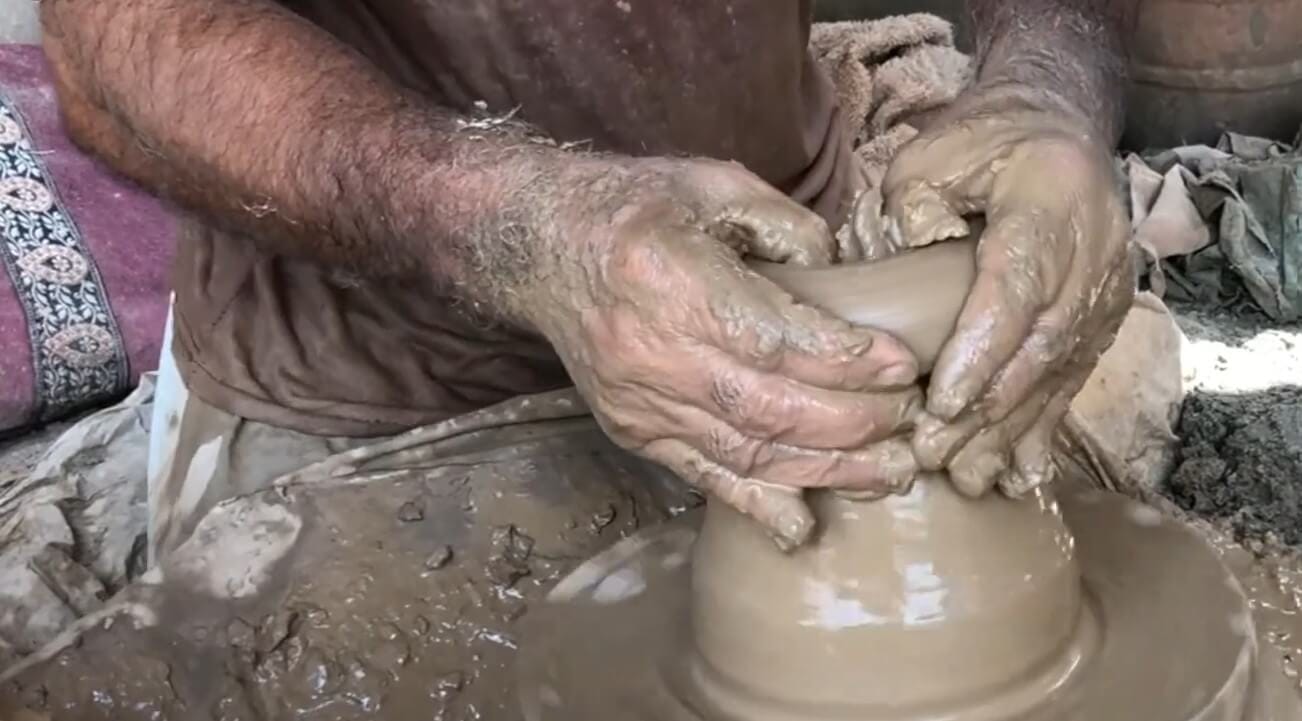
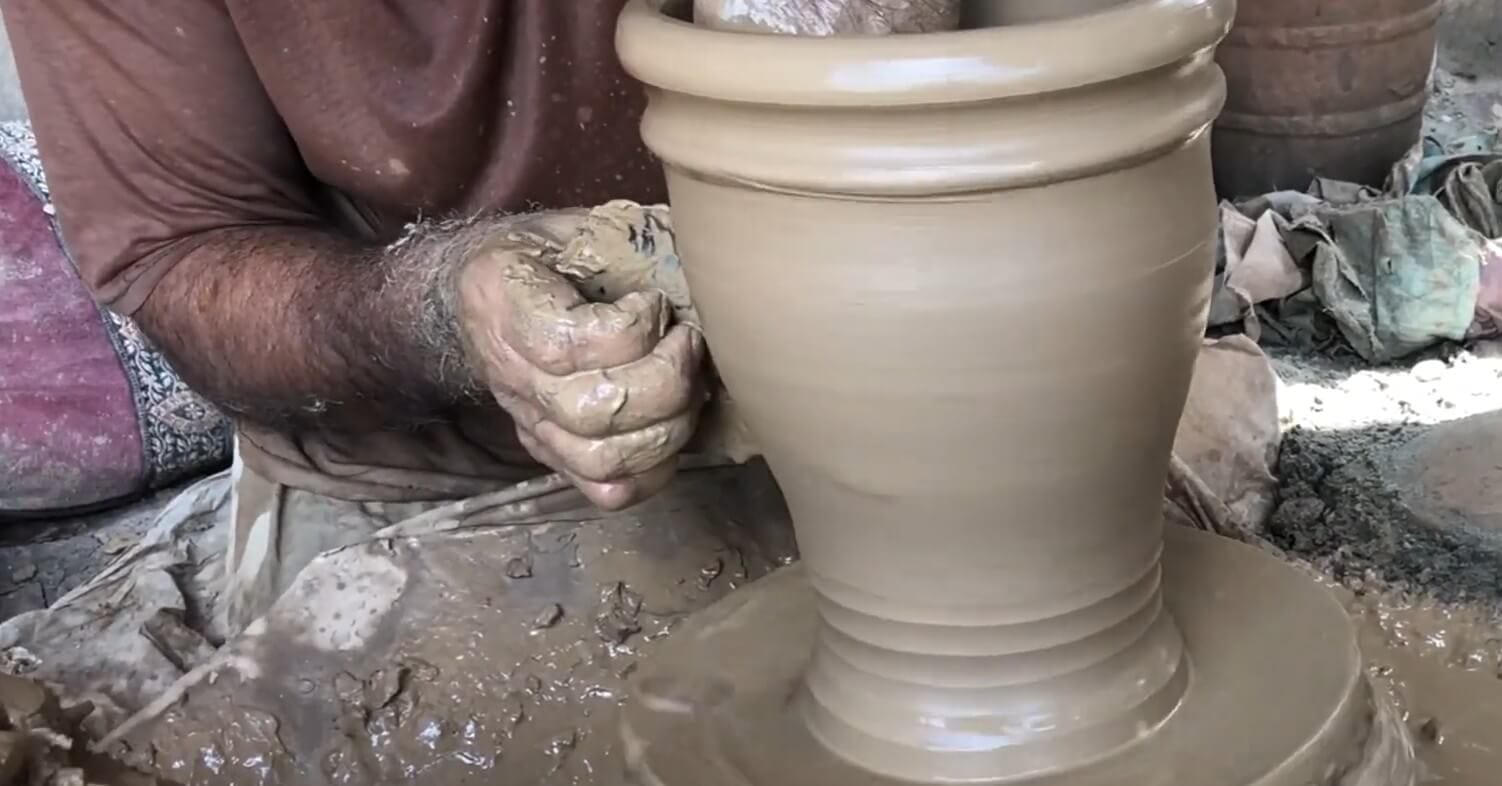
Here's something most people don't know: the best handmade pots come from artisans who've been throwing for at least 5 years. A novice throws too thin at the base and too thick at the rim. An experienced thrower achieves consistent wall thickness throughout — usually 10-12mm — which is actually more uniform than many machine-made pots at the base. At Terrachi Clay, our senior artisans have 10+ years of experience. They can feel wall thickness by touch alone, within 1mm accuracy.
Machine-Made Terracotta Production
Machine-made pots use hydraulic or pneumatic presses that force clay into steel molds. The process starts with pugged clay — mechanically de-aired and homogenized — fed into a hopper. A ram pushes the clay into a mold cavity at 50-100 bar pressure. The mold opens, an ejector pin pushes out the greenware, and the cycle repeats every 15-20 seconds.
The greenware then goes through automated drying tunnels (2-4 hours at 60-80°C) before kiln firing. Total production time: 2-3 days. A single machine with 4-cavity molds can produce 800-1,000 pieces per 8-hour shift.
Machine-made quality lives or dies by mold maintenance. A worn mold produces pots with rounded edges, surface pitting, and dimensional drift. We replace our steel molds every 50,000 cycles — most competitors push to 100,000+ to save costs. That difference shows up in the sharpness of rim details and the consistency of wall thickness. When you see a machine-made pot with crisp, clean lines, you're looking at good mold maintenance. When edges are soft and dimensions vary by 3-4mm, the mold is tired.
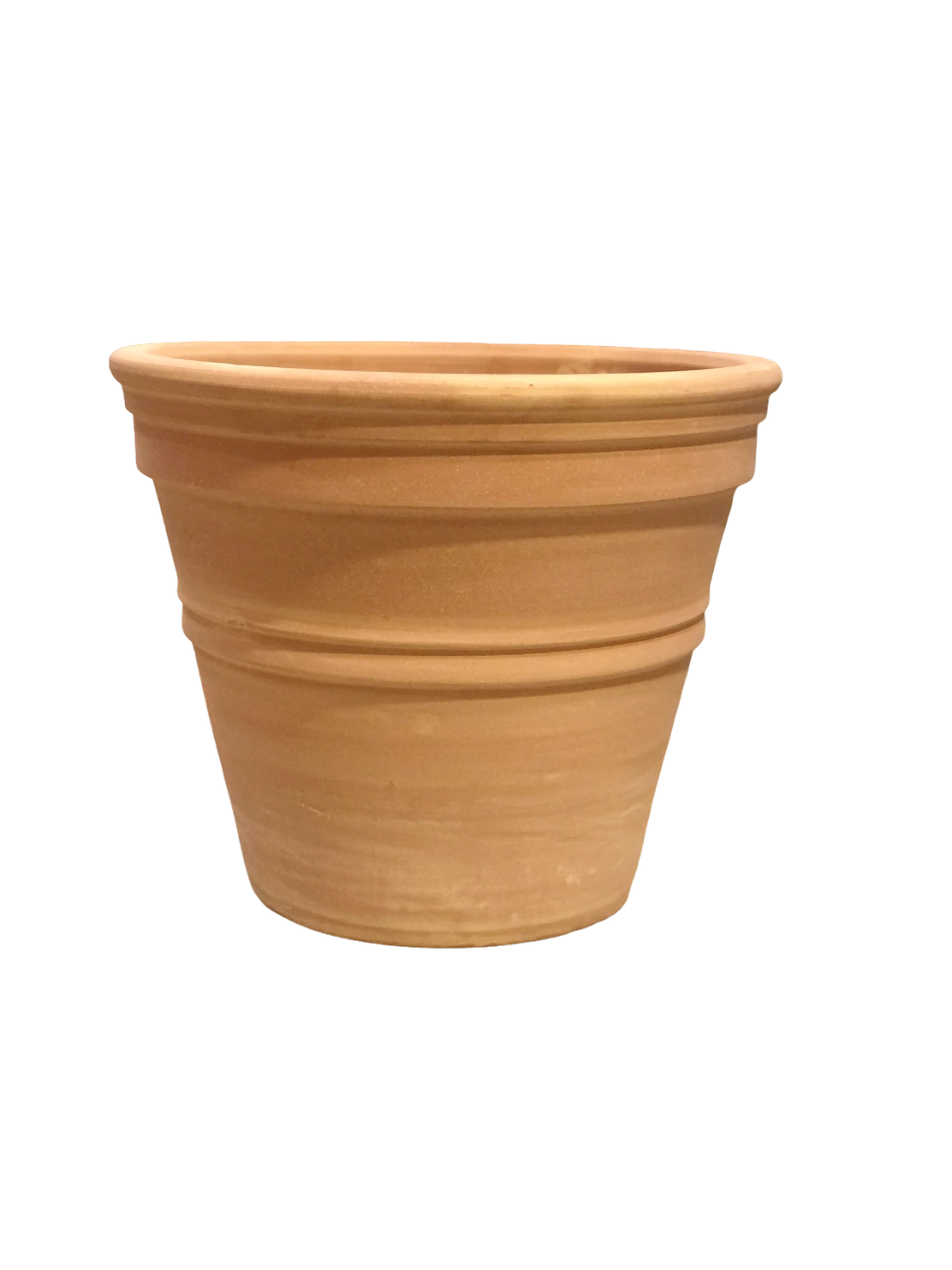
| Production Stage | Handmade | Machine-Made |
|---|---|---|
| Clay Preparation | Manual wedging (10 min/kg) | Pug mill (continuous) |
| Forming Time | 5-15 min/piece | 15-20 sec/piece |
| Drying Method | Ambient air (3-5 days) | Forced air tunnel (2-4 hrs) |
| Drying Defect Rate | 3-5% | 1-2% |
| Firing Temperature | 1000-1050°C | 1000-1050°C |
| Total Lead Time | 7-10 days | 2-3 days |
Quality & Durability Comparison
There's a myth that handmade pots are automatically more durable. After 20 years of testing, I can tell you that's not true. Durability depends on three factors: clay quality, firing temperature, and wall thickness. Production method is fourth at best.
Clay Quality
Both our handmade and machine-made lines use the same Indus River clay, screened to the same particle size distribution. The clay's mineral content — primarily illite and kaolinite with iron oxide giving the characteristic pinkish color — determines the final pot's strength. We don't use different clay for different methods. That would be asking for quality control nightmares.
Firing Temperature
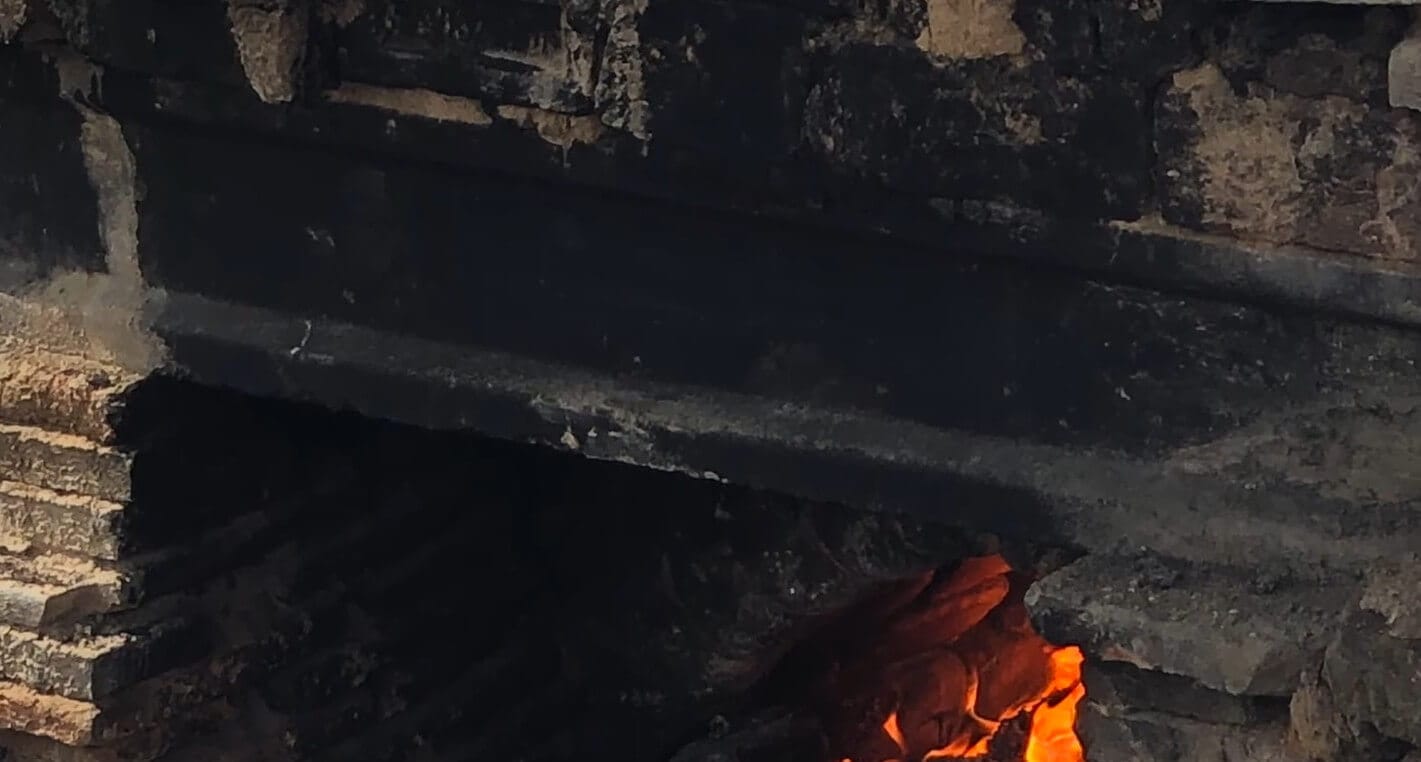
This is where many manufacturers cut corners, especially on machine-made lines. Low-temperature firing (850-950°C) saves fuel but produces porous, weak bodies. We fire both methods at 1000-1050°C, which vitrifies the clay body sufficiently for outdoor use while maintaining the breathability that makes terracotta ideal for plants.
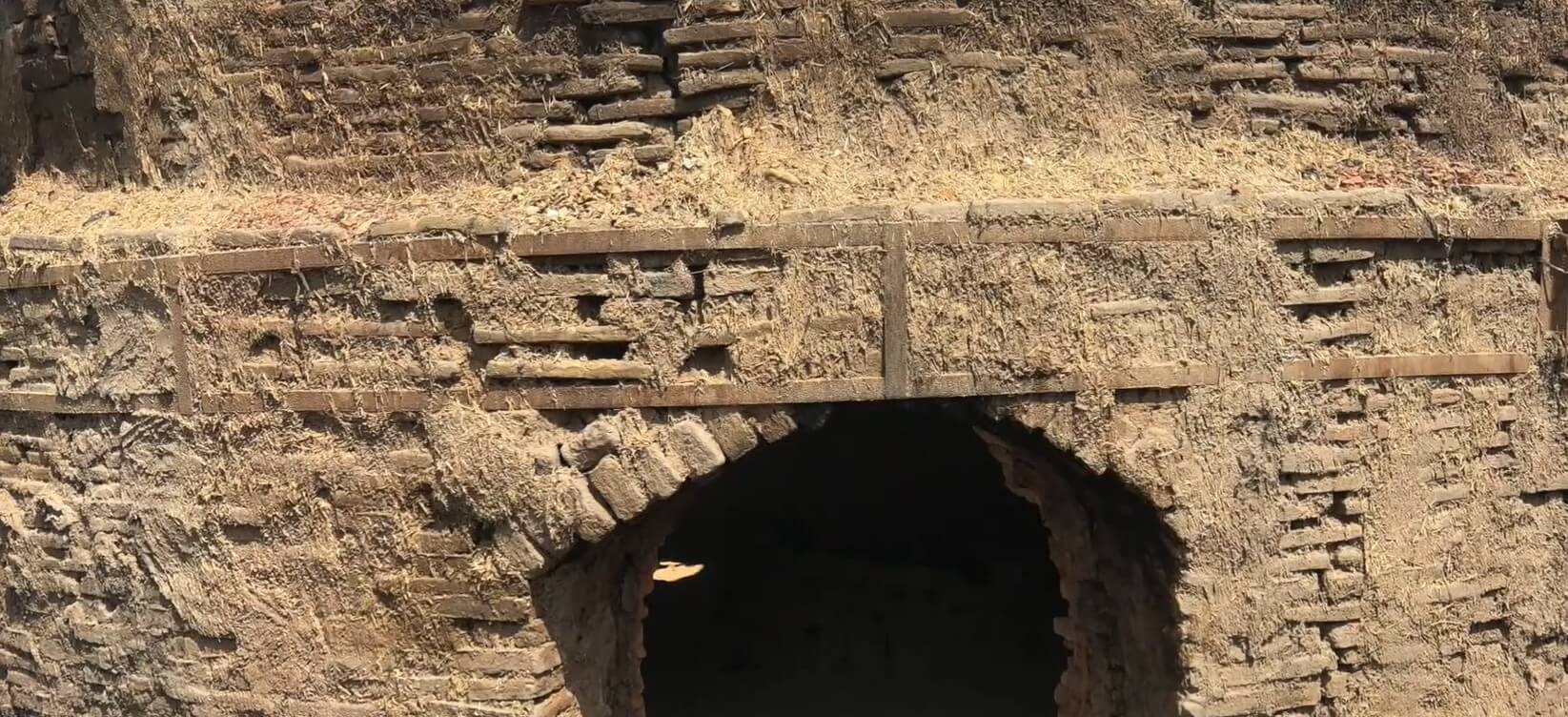
We test every kiln load with a cone plaque and digital pyrometer. But here's the real quality check: we take a sample pot from each load, weigh it dry, soak it for 24 hours, and weigh it again. The difference tells us water absorption. Our standard is <6%. Last year, our handmade line averaged 4.2% and our machine line averaged 4.8%. Both pass. Both will survive freeze-thaw cycles. But that slight difference? It's because handmade pots have slightly more variable density — some areas are denser, some slightly more porous. The machine line is more uniform, which actually averages out to a marginally higher absorption rate.
Wall Thickness & Structural Integrity
Handmade pots generally have thicker walls — 10-15mm versus 6-8mm for machine-made. This gives handmade pots better thermal mass (slower temperature changes) and more material to absorb impact. However, thicker walls also mean more weight and higher shipping costs.
Machine-made pots compensate with geometric optimization. A well-designed machine mold includes reinforcement ribs and curved profiles that distribute stress more efficiently than a simple cylinder. In drop tests from 1 meter onto concrete, our machine-made pots with ribbed designs actually outperformed handmade cylinders of the same nominal size.
| Durability Test | Handmade Result | Machine-Made Result |
|---|---|---|
| Water Absorption | 3.8-4.5% | 4.2-5.2% |
| Frost Resistance | Passes -22°F | Passes -22°F |
| Compressive Strength | 18-22 MPa | 20-24 MPa |
| Drop Test (1m to concrete) | 85% survival rate | 92% survival rate |
| Thermal Shock (200°C gradient) | Pass | Pass |
| Expected Lifespan (outdoor) | 20-30 years | 20-30 years |
The biggest durability killer isn't the production method — it's improper drainage. A handmade pot with a blocked drain hole will crack in winter just as fast as a machine-made one. We drill all our drainage holes at 15° downward angle to prevent water pooling. For large planters (20+ inches), we drill two holes minimum. I've seen $200 handmade artisan pots crack in one season because the buyer never checked if the drain hole was clear. Method doesn't matter if water sits and freezes.
Cost Analysis
Price is where the two methods diverge most dramatically. Understanding why helps you evaluate whether the premium for handmade is worth it for your specific project.
Production Cost Breakdown
For a standard 8-inch diameter pot, here's how costs stack up at our factory:
| Cost Component | Handmade | Machine-Made |
|---|---|---|
| Raw Clay | $0.45 (more waste) | $0.32 (optimized yield) |
| Labor (forming) | $1.80 (15 min @ $7.20/hr) | $0.08 (20 sec @ $15/hr operator) |
| Labor (finishing) | $0.60 (trimming, smoothing) | $0.15 (edge cleaning) |
| Drying Energy | $0.05 (ambient) | $0.12 (tunnel dryer) |
| Firing Energy | $0.35 | $0.28 (better kiln loading) |
| Quality Control | $0.25 (visual + tactile) | $0.10 (visual only) |
| Defect/Rework | $0.20 (4% rate) | $0.06 (1.5% rate) |
| Total Production Cost | $3.70 | $1.11 |
The handmade pot costs 3.3x more to produce. Most of that difference is labor — an artisan simply cannot compete with a hydraulic press on speed. When you see a handmade pot priced at $15 versus a machine-made one at $6, that gap reflects real production economics, not just markup.
Retail & Wholesale Pricing
| Pot Size | Handmade Wholesale | Handmade Retail | Machine-Made Wholesale | Machine-Made Retail |
|---|---|---|---|---|
| 4-inch | $4.50-6.00 | $12-18 | $1.80-2.50 | $5-8 |
| 8-inch | $8.00-12.00 | $22-35 | $3.50-5.00 | $10-15 |
| 12-inch | $18.00-28.00 | $45-70 | $7.00-10.00 | $20-30 |
| 16-inch | $35.00-55.00 | $85-130 | $12.00-18.00 | $35-55 |
| 20-inch+ | $65.00-120.00 | $160-280 | $22.00-35.00 | $65-100 |
Most buyers don't realize that shipping cost per pot often exceeds production cost for large orders. A 20-inch handmade pot weighs 18-22 lbs. The same size machine-made weighs 12-15 lbs. At $800 per 20-foot container from Pakistan to Europe, that weight difference means you fit 280 handmade pots versus 380 machine-made pots per container. For a 1,000 pot order, you need 4 containers of handmade versus 3 containers of machine-made. That's an extra $800 in shipping alone — before you even account for the per-piece price difference. For large projects, this math is unavoidable.
Aesthetics & Design Differences
Beauty is subjective, but the visual differences between handmade and machine-made pots are objectively distinct. Knowing what to look for helps you match the right pot to the right setting.
Handmade Visual Characteristics
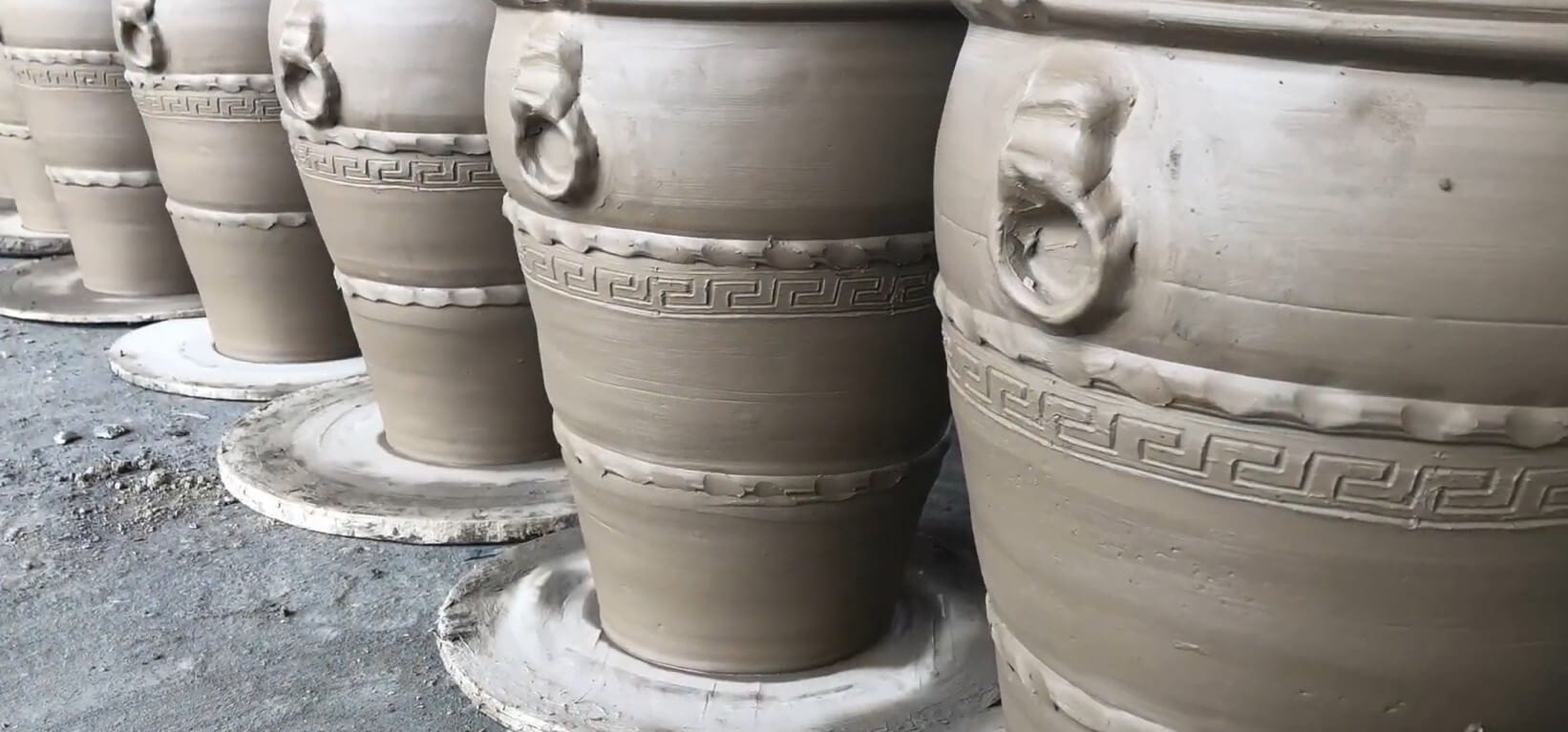
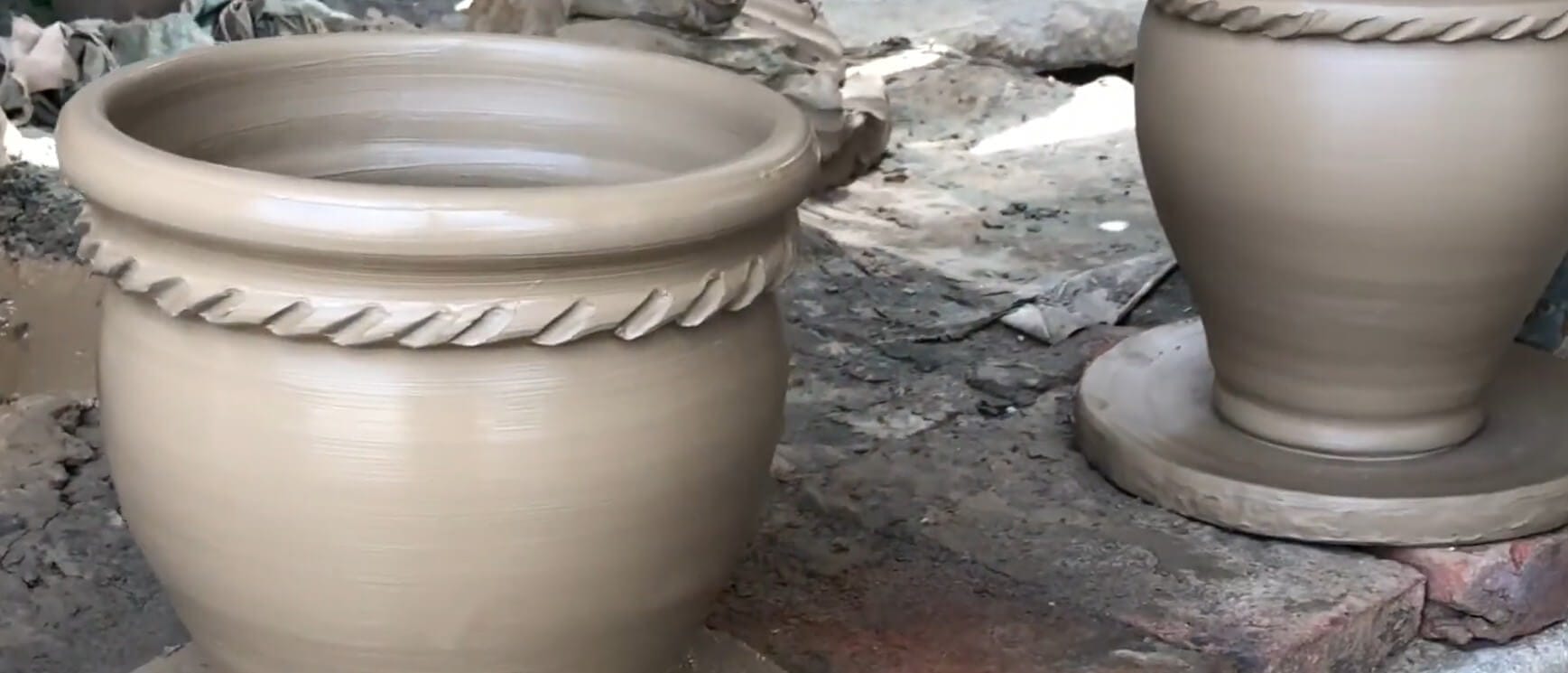
Handmade pots carry the marks of their creation. You'll see:
- Throwing rings: Concentric ridges on the interior from the wheel. Some artisans smooth these out; others leave them as texture.
- Asymmetry: Slight variations in rim height (2-4mm) and wall thickness. Not flaws — character.
- Organic color variation: Areas of slightly different iron concentration show as subtle mottling. No two pots color-match exactly.
- Tool marks: Faint ridges from ribs used to shape the exterior. Visible on close inspection, invisible at 3 feet.
- Foot impressions: The base may show slight irregularities where the pot sat on the wheel head.
Machine-Made Visual Characteristics
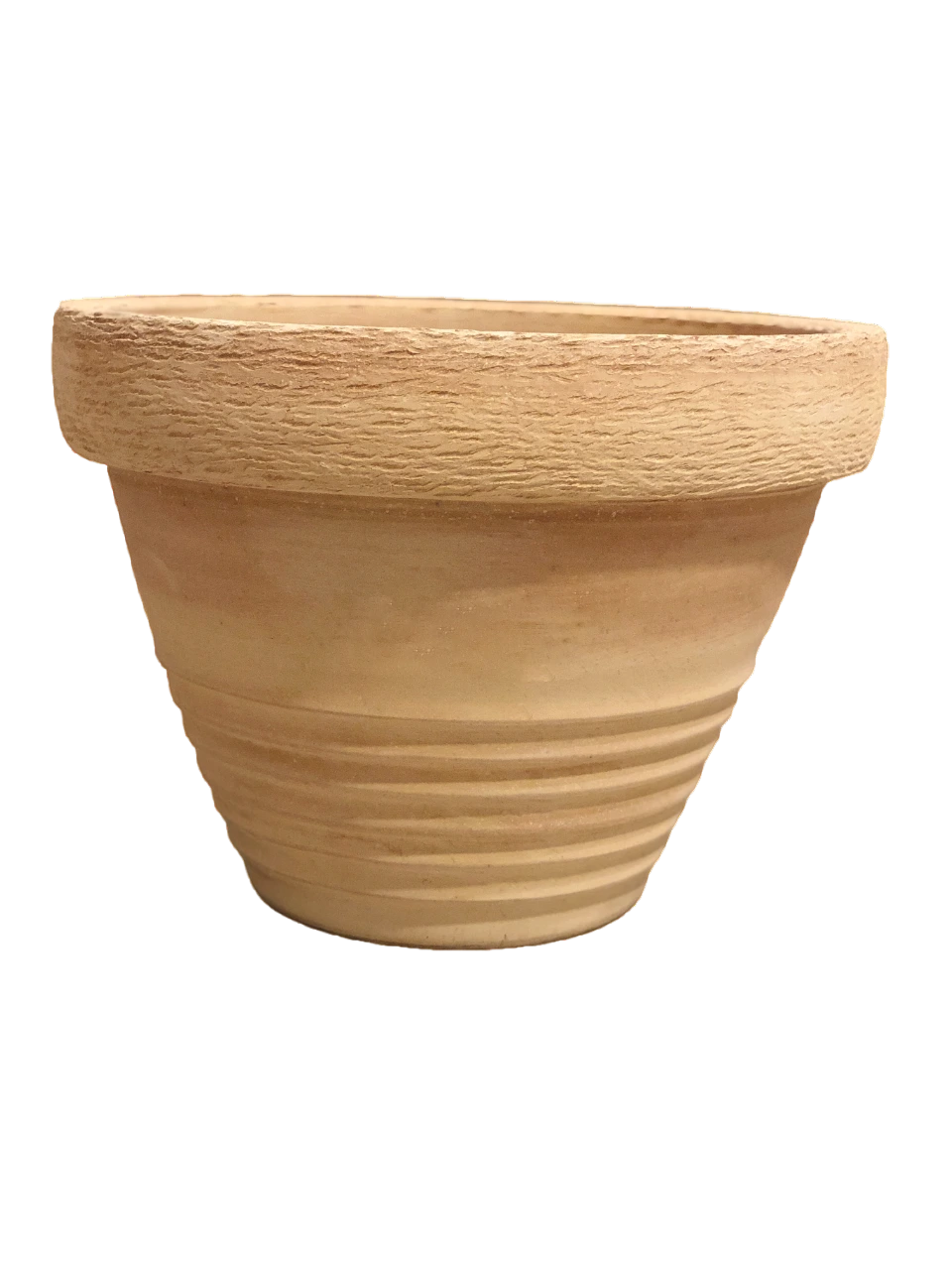
Machine-made pots are the product of precision engineering:
- Perfect symmetry: Rim height variation under 0.5mm. Every pot in a batch is dimensionally identical.
- Sharp detail: Molded patterns, ridges, and textures are crisp and consistent. Greek key patterns, fluting, and geometric designs reproduce perfectly.
- Uniform color: Consistent clay mixing and controlled firing produce uniform surface color across thousands of pieces.
- Smooth surfaces: Mold surfaces are polished steel; the clay takes a smooth, even finish.
- Defined edges: Rims and feet have sharp, clean edges without the slight rounding of hand-finished pieces.
| Aesthetic Factor | Handmade | Machine-Made |
|---|---|---|
| Surface Texture | Slightly irregular, organic | Smooth, uniform |
| Color Consistency | Varies piece to piece | Batch-uniform |
| Pattern Capability | Limited to hand-tooling | Complex molded designs |
| Rim Profile | Soft, slightly irregular | Sharp, perfectly round |
| Best Design Style | Rustic, Mediterranean, cottage | Modern, formal, classical |
| Photography Consistency | Challenging (each piece different) | Easy (all pieces identical) |
We had a client in California who ordered 200 handmade pots for a boutique hotel courtyard. When they arrived, the client called worried — "the colors don't match exactly." They didn't. One was slightly more orange, another slightly more pink. That was the point. They wanted handmade. After we explained that uniformity was the machine-made feature, they kept the order and actually reordered because guests commented on the "authentic, artisanal feel." Meanwhile, a commercial developer in Texas ordered 2,000 machine-made pots for an apartment complex and appreciated that every balcony looked identical. Different buyers, different needs, both satisfied.
Technical Specifications
For buyers who need to specify terracotta pots in project documentation, here are the technical parameters that matter.
Dimensional Tolerances
| Dimension | Handmade Tolerance | Machine-Made Tolerance |
|---|---|---|
| Top Diameter | ±4mm | ±1.5mm |
| Base Diameter | ±5mm | ±1.5mm |
| Height | ±5mm | ±2mm |
| Wall Thickness | ±2mm | ±0.5mm |
| Weight | ±8% | ±3% |
Physical Properties
| Property | Handmade (Terrachi Standard) | Machine-Made (Terrachi Standard) |
|---|---|---|
| Clay Source | Indus River, Pakistan | Indus River, Pakistan |
| Firing Temperature | 1000-1050°C | 1000-1050°C |
| Water Absorption | <6% (typically 3.8-4.5%) | <6% (typically 4.2-5.2%) |
| Frost Resistance | -22°F (-30°C) | -22°F (-30°C) |
| Compressive Strength | 18-22 MPa | 20-24 MPa |
| Porosity | 15-18% | 14-17% |
| Thermal Conductivity | 0.8-1.0 W/mK | 0.8-1.0 W/mK |
| pH Neutrality | pH 7.0-7.5 | pH 7.0-7.5 |
All our pots — handmade and machine-made — carry the same ISO 9001 quality certification and SEDEX ethical compliance. The testing protocol is identical: every production batch gets a random sample tested for water absorption, frost resistance, and dimensional accuracy. We don't have "lower standards" for machine-made. If anything, machine-made gets stricter dimensional checks because we can measure it precisely. Handmade gets more visual inspection because some variation is expected and acceptable. The certification covers both lines because the base material and firing are the same.
Commercial Guide: Which to Choose
After two decades of supplying terracotta pots to every type of buyer imaginable, here's my practical advice on matching method to application.
Choose Handmade When:
- You're selling to consumers who value authenticity. Boutique garden centers, artisan markets, high-end landscaping — these buyers want the story of the hand as much as the pot itself.
- Plant health is critical. The thicker walls and more porous structure of handmade pots provide better root aeration for sensitive species like orchids, bonsai, and certain succulents.
- Weight isn't a constraint. If customers are carrying pots from a retail shelf to their car, the extra 30-50% weight matters. If you're shipping to a landscape site with forklifts, it doesn't.
- You're ordering smaller quantities. Handmade becomes cost-prohibitive above 500-1,000 pieces for standard sizes. Below that threshold, the premium is manageable.
- Visual uniqueness is a selling point. If your marketing emphasizes "no two alike," handmade is your only option.
Choose Machine-Made When:
- You need large quantities. Commercial developments, municipal landscaping, big-box retail — anywhere you need 1,000+ identical pieces.
- Consistency is non-negotiable. If a landscape architect specifies exact dimensions for 500 balcony planters, machine-made is the only practical choice.
- Budget is tight. The 60-70% cost savings at scale can be the difference between winning and losing a project bid.
- You're shipping long distances. Lower weight means more pieces per container, reducing freight cost per unit by 20-30%.
- You need complex designs. Geometric patterns, fluting, embossed logos — these are only practical with mold-based production.
| Application | Recommended Method | Why |
|---|---|---|
| Boutique Garden Center | Handmade | Unique pieces command premium prices |
| Commercial Landscaping | Machine-Made | Scale, consistency, cost control |
| Luxury Hotel/Resort | Handmade | Aesthetic differentiation, artisan story |
| Apartment Complex Balconies | Machine-Made | Uniformity across hundreds of units |
| Specialty Plant Nursery | Handmade | Better root aeration for sensitive plants |
| Big-Box Retail Chain | Machine-Made | Price point and supply chain reliability |
| Restaurant/Outdoor Dining | Either | Depends on brand positioning |
| Municipal Parks | Machine-Made | Durability, vandalism replacement, budget |
We have one client in Germany who orders a hybrid: machine-made pots for the bulk of their garden center inventory, plus a small line of handmade "signature" pieces at 3x the price point. The machine-made pots drive volume and cover overhead. The handmade pieces create buzz, get social media shares, and attract customers who then buy the standard line. It's the same strategy luxury car brands use with their high-end models. You don't need to choose exclusively — you can use both strategically.
Frequently Asked Questions
Which is better: handmade or machine-made terracotta pots?
It depends on your priorities. Handmade pots offer unique character, thicker walls, and superior breathability for sensitive plants, but cost 40-60% more. Machine-made pots provide consistent sizing, sharper details, and lower prices, making them ideal for large-scale landscaping and retail. Both can last decades if made from high-quality clay and fired properly.
How can you tell if a terracotta pot is handmade?
Look for slight irregularities: uneven rim thickness, subtle asymmetry, visible throwing rings on the interior, and a more organic, less uniform color. Handmade pots often have a slightly rougher texture and may show fingerprints or tool marks inside. Machine-made pots are perfectly symmetrical with smooth, consistent surfaces.
Are handmade terracotta pots more durable?
Not necessarily. Durability depends on clay quality, firing temperature, and wall thickness more than production method. At Terrachi Clay, our handmade pots are fired at 1000°C+ with Indus River clay, achieving <6% water absorption and -22°F frost resistance. Our machine-made pots use the same clay and firing standards. A well-made machine pot can outlast a poorly made handmade one.
Why are handmade terracotta pots more expensive?
Handmade pots require skilled artisans who can produce 15-25 pieces per day versus a machine pressing 200+ pieces per hour. Each handmade piece involves individual throwing, trimming, and finishing. The labor cost alone adds 40-60% to the price. Additionally, handmade pots often have thicker walls (10-15mm vs 6-8mm), requiring more clay per piece.
Do machine-made terracotta pots have drainage holes?
Most machine-made pots come with pre-drilled drainage holes, typically 15-25mm in diameter. However, the placement is standardized and may not suit all plants. Handmade pots may or may not have drainage holes depending on the artisan's design or buyer's request. At Terrachi Clay, we offer custom drainage configurations for both handmade and machine-made orders.
Can machine-made pots look like handmade ones?
Some manufacturers attempt to simulate handmade looks by distressing machine-made pots or using irregular molds. However, experienced buyers can usually tell the difference. The throwing rings, weight distribution, and subtle asymmetry of true handmade pots are difficult to replicate mechanically. At Terrachi Clay, we label our products clearly — we don't try to pass machine-made off as handmade.
Which method is more environmentally friendly?
Machine-made production uses more electricity for pressing and drying but produces less clay waste (95% yield vs 85% for handmade). Handmade uses less energy but more raw material per finished piece. At Terrachi Clay, both methods use the same local clay and natural gas kilns. The bigger environmental factor is shipping — machine-made's lighter weight reduces transport emissions per pot by 20-30%.
Do handmade pots breathe better for plants?
Yes, slightly. Handmade pots typically have more variable wall density — some areas are slightly more porous — which creates micro-variations in moisture exchange. The thicker walls (10-15mm) also provide more thermal mass, keeping roots cooler in hot weather. For most plants, the difference is marginal. For orchids, bonsai, and certain succulents, it matters more.
Can I get custom sizes in handmade?
Yes, within limits. Handmade production accommodates custom sizes more easily than machine-made because no mold is required. However, extreme sizes (under 3 inches or over 30 inches) become challenging due to structural limitations of hand-thrown clay. For custom shapes, handmade is definitely more flexible — an artisan can adapt to unique profiles that would require expensive custom mold fabrication for machine production.
What is the minimum order for handmade vs machine-made?
At Terrachi Clay, our minimum order is one 20-foot container (approximately 280-380 pieces depending on size and method). We don't offer smaller wholesale quantities because international shipping costs make smaller orders economically unviable. For very large handmade orders (5,000+ pieces), we may need extended lead times to schedule sufficient artisan capacity.
How do I prevent cracking in winter?
Regardless of production method, winter survival depends on drainage and water management. Ensure drain holes are clear and angled downward. Elevate pots slightly off the ground using feet or shims to prevent ice from sealing the bottom. For extreme climates, consider wrapping pots in burlap or moving sensitive plants to sheltered areas. Both our handmade and machine-made pots are tested to -22°F, but no terracotta pot survives if water freezes inside a sealed container.
Can you mix handmade and machine-made in one order?
Absolutely. Many of our clients order machine-made pots for standard inventory and a smaller quantity of handmade pieces for premium display or special collections. We can load mixed containers with proper segregation and labeling. Just specify the split when requesting a quote.
What certifications do your pots carry?
All Terrachi Clay pots — handmade and machine-made — are manufactured under ISO 9001 quality management and SEDEX ethical trade certification. We test for lead and cadmium content (well below EU and US limits), water absorption (<6%), and frost resistance (-22°F). Certificates of compliance are available with every shipment.
How long does production take?
Machine-made orders typically ship 4-6 weeks after order confirmation. Handmade orders require 6-8 weeks due to the longer production cycle and artisan scheduling. Large orders (multiple containers) may need 8-10 weeks. We recommend planning 3 months ahead for seasonal peaks (spring ordering in December, fall ordering in June).
Do you offer samples?
Yes. We provide sample sets including both handmade and machine-made pieces in standard sizes. Sample costs are credited against your first order. For large projects, we can also produce custom sample runs with your specified dimensions, colors, or finishes before full production commitment.
Related Guides
Key Takeaways
- Production method is not a quality indicator by itself. Clay quality, firing temperature, and wall thickness matter more than whether a human or machine formed the pot.
- Handmade pots cost 40-60% more because of labor, not materials. The same clay, same kiln, same quality standards apply to both methods at Terrachi Clay.
- Machine-made pots excel at scale, consistency, and cost. For commercial projects needing 1,000+ identical pieces, they're the practical choice.
- Handmade pots excel at character, plant health, and premium positioning. For boutique retail, specialty gardens, and luxury hospitality, they justify the premium.
- Both methods produce pots that last 20-30 years outdoors if properly made (fired above 1000°C, water absorption below 6%) and properly maintained (drainage, winter protection).
- Shipping economics often favor machine-made for large orders. The weight difference means 20-30% more pieces per container, significantly reducing freight cost per unit.
- A hybrid strategy works for many buyers. Use machine-made for volume and handmade for premium positioning within the same product line.
Ready to Choose the Right Terracotta Pots for Your Project?
Whether you need 500 handmade artisan pieces or 5,000 machine-made pots for a commercial development, Terrachi Clay has the capacity and expertise to deliver. Since 2004, we've shipped 400+ containers annually to buyers across North America, Europe, and Australia.
Get a detailed quote including production timeline, shipping costs, and certification documentation.
Request a Quote View Wholesale Options